Feeding our Garden Birds
Many of us enjoy watching birds come to our bird feeder each day, whether it is some of our commoner birds such as house sparrow and starlings or if we are lucky, tits, finches and other birds. It brings such pleasure to see these creatures battling it out for space on the feeders.
However, in a significant update for 2026, the RSPB is urging a shift in how and whether we feed garden birds during late spring and summer.
The key message is simple: “feed safely and feed seasonally.”
From 1 May to 31 October, the RSPB now recommends stopping the use of seed and peanut feeders altogether. This change follows strong scientific evidence linking communal feeding to the spread of diseases such as Trichomonosis.
Feeding doesn’t have to stop entirely—but it should be scaled back and adapted. The RSPB advises:
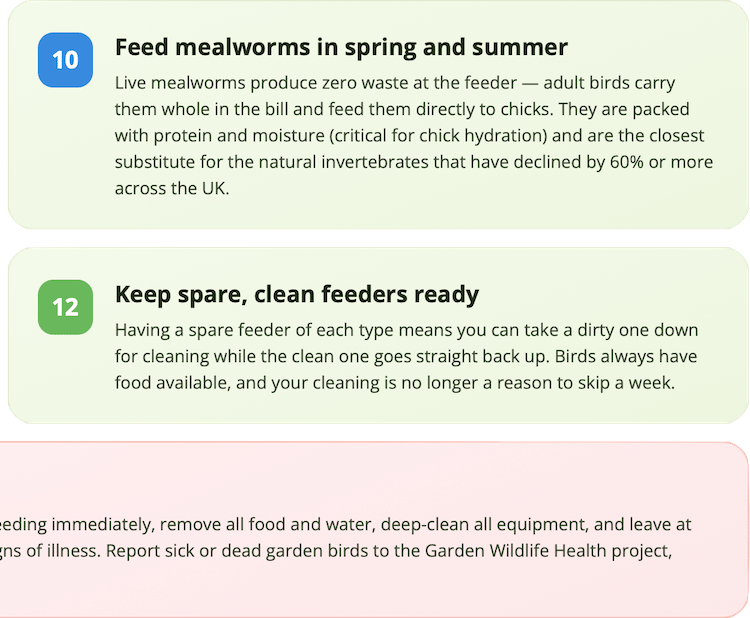
Small amounts of mealworms (soaked if dried)
Suet or fat-based foods (in moderation)
These foods are less likely to attract large flocks of vulnerable finches and are useful for breeding birds feeding chicks.
Where feeding continues, strict hygiene is essential:
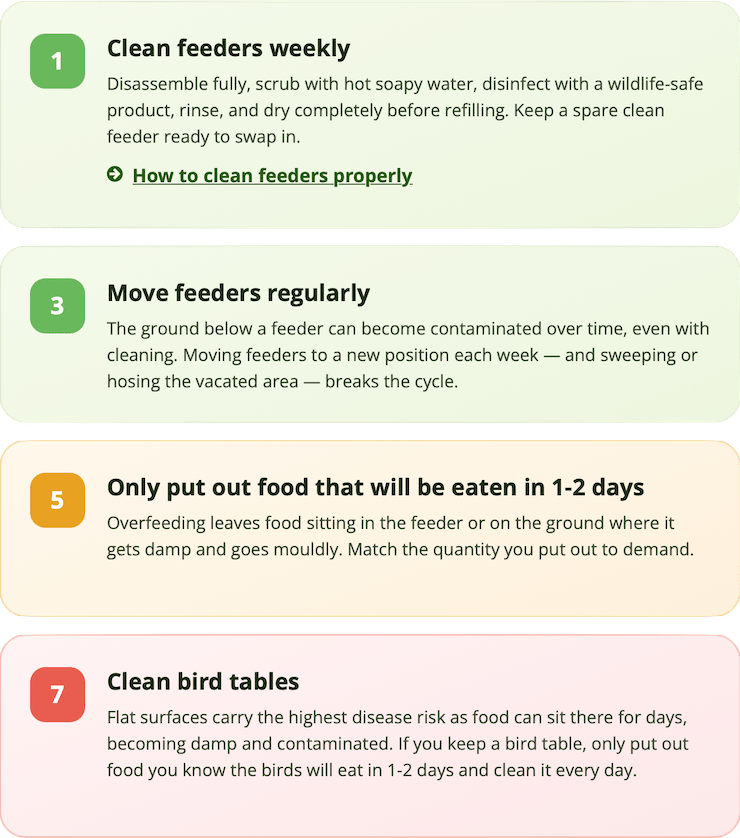
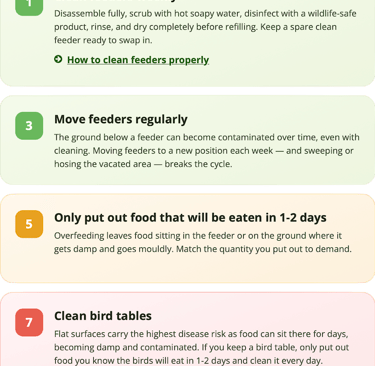
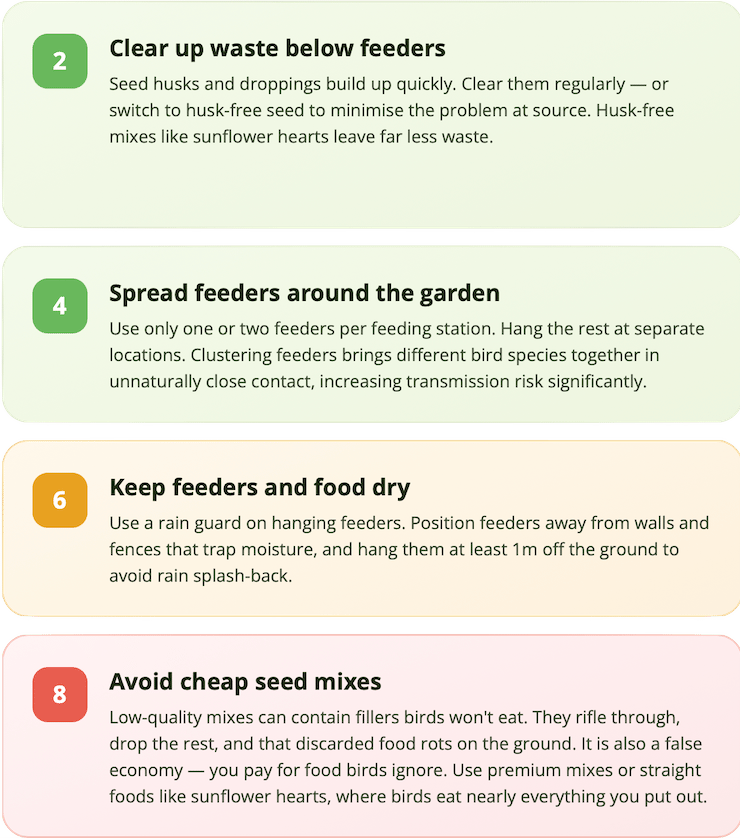
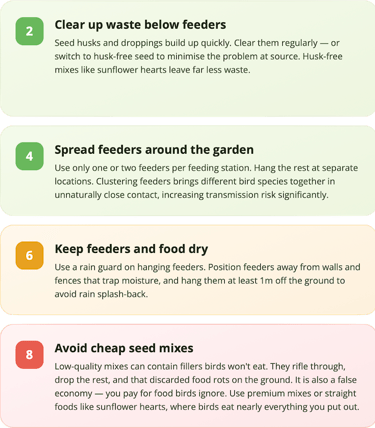
Clean feeders at least weekly
Move feeding stations regularly
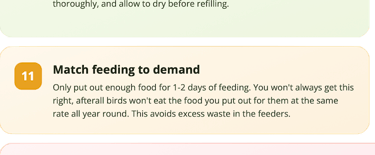
Ensure food is eaten within 1–2 days
Keep food dry and discard leftovers
These steps reduce contamination from saliva, droppings, and damp food—all key pathways for disease spread.
Avoid high-risk feeding setups - The RSPB now discourages:
Flat bird tables or ground feeding, where infection spreads easily, including window feeders and trays under hanging feeders
Overcrowded single feeding points
Instead, use hanging feeders sparingly and space them out if used at all.
Fresh water remains important, but it must be handled responsibly:
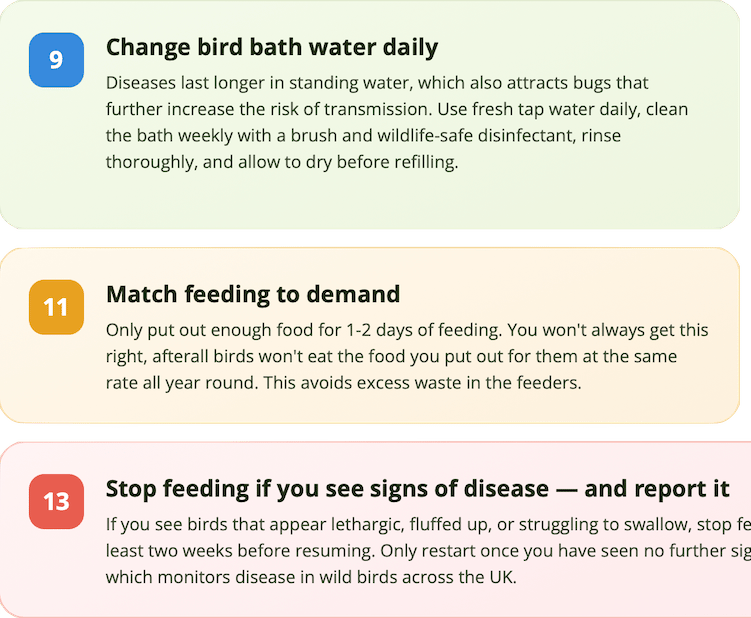
Change water daily using tap or natural water from water butts
Clean bird baths regularly
If this isn’t possible, the RSPB suggests it may be safer not to provide water at all due to disease risk.
Perhaps the most important shift: Birds don’t need much help in the Spring and Summer months.
Natural food sources, especially insects, are abundant and crucial for chick development. So a shift to making our garden wildlife-friendly (like native flowers, seed heads, and berry shrubs) is now considered one of the best ways to support birds long-term. Grow the right plants and your garden will support the bird life and particularly the insects that they depend on for food.
There’s lots of advice online for creating a wildlife friendly garden with links from our Helping Wildlife page including a fabulous list of suitable plants for attracting pollinators on our website, provided by bee expert Richard Ricketts.
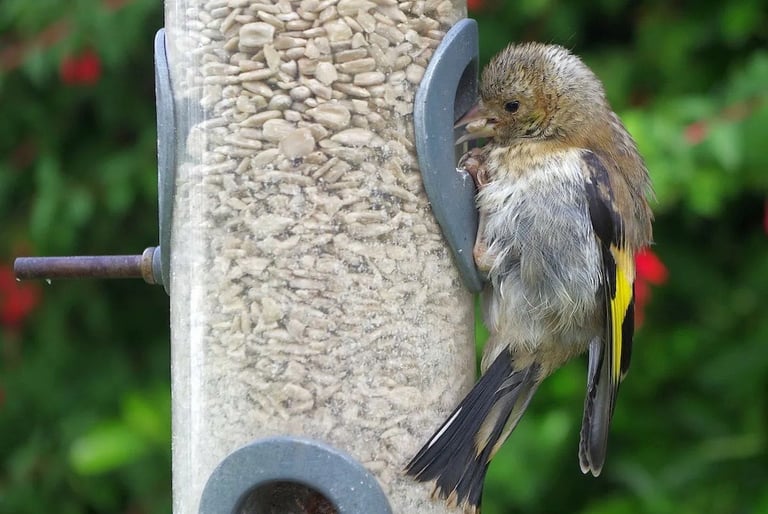
First reported in 2005, Trichomonosis (also known as canker) is caused by a protozoan parasite, and is responsible for major declines in species like pigeons and finches. Greenfinches alone have declined by over 65% (equating to over two million birds) over the last 20 years, with chaffinches and other finches following a similar pattern. Symptoms include lethargy, fluffed-up plumage, difficulty swallowing, regurgitating food, and wet, matted feathers around the face
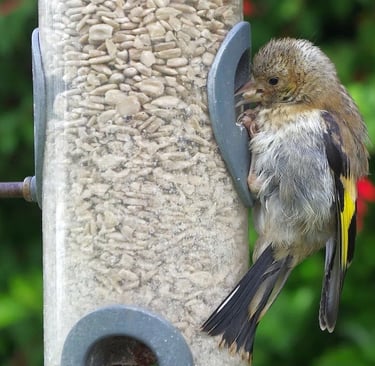
Chaffinch suffering from Trichomonosis - photo courtesy of Songbird Survival
Warmer weather allows parasites to survive longer, and crowded feeders increase transmission risk when it is spread through the bird’s saliva contaminating food and water especially at feeders. This is particularly relevant during the breeding season when parents are feeding their young chicks.
If you still wish to feed your garden birds, remember cleanliness is the key!
Invest in appropriate cleaning materials and feeders that break down for ease of cleaning. And CLEAN REGULARLY!
Feeding doesn’t have to stop entirely—but it should be scaled back and adapted. The RSPB advises:
Small amounts of mealworms (soaked if dried)
Suet or fat-based foods (in moderation)
These foods are less likely to attract large flocks of vulnerable finches and are useful for breeding birds feeding chicks.
Where feeding continues, strict hygiene is essential:
Clean feeders at least weekly
Move feeding stations regularly
Ensure food is eaten within 1–2 days
Keep food dry and discard leftovers
These steps reduce contamination from saliva, droppings, and damp food—all key pathways for disease spread.
Avoid high-risk feeding setups - The RSPB now discourages:
Flat bird tables or ground feeding, where infection spreads easily, including window feeders and trays under hanging feeders
Overcrowded single feeding points
Instead, use hanging feeders sparingly and space them out if used at all.
Fresh water remains important, but it must be handled responsibly:
Change water daily using tap or natural water from water butts
Clean bird baths regularly
If this isn’t possible, the RSPB suggests it may be safer not to provide water at all due to disease risk.
Perhaps the most important shift: Birds don’t need much help in the Spring and Summer months.
Natural food sources, especially insects, are abundant and crucial for chick development. So a shift to making our garden wildlife-friendly (like native flowers, seed heads, and berry shrubs) is now considered one of the best ways to support birds long-term. Grow the right plants and your garden will support the bird life and particularly the insects that they depend on for food.
There’s lots of advice online for creating a wildlife friendly garden with links from our Helping Wildlife page including a fabulous list of suitable plants for attracting pollinators on our website, provided by bee expert Richard Ricketts.
Warmer weather allows parasites to survive longer, and crowded feeders increase transmission risk when it is spread through the bird’s saliva contaminating food and water especially at feeders. This is particularly relevant during the breeding season when parents are feeding their young chicks.
If you still wish to feed your garden birds, remember cleanliness is the key!
Invest in appropriate cleaning materials and feeders that break down for ease of cleaning. And CLEAN REGULARLY!
Clean feeders weekly
Disassemble fully, scrub with hot soapy water, disinfect with a wildlife-safe product, rinse, and dry completely before refilling. Keep a spare clean feeder ready to swap in.